





BEIJING, Apr 6: A Pakistani-origin scientist working in China has contributed to a major breakthrough in advanced ultraviolet sensing technology, marking a significant step forward in high-performance detection systems.
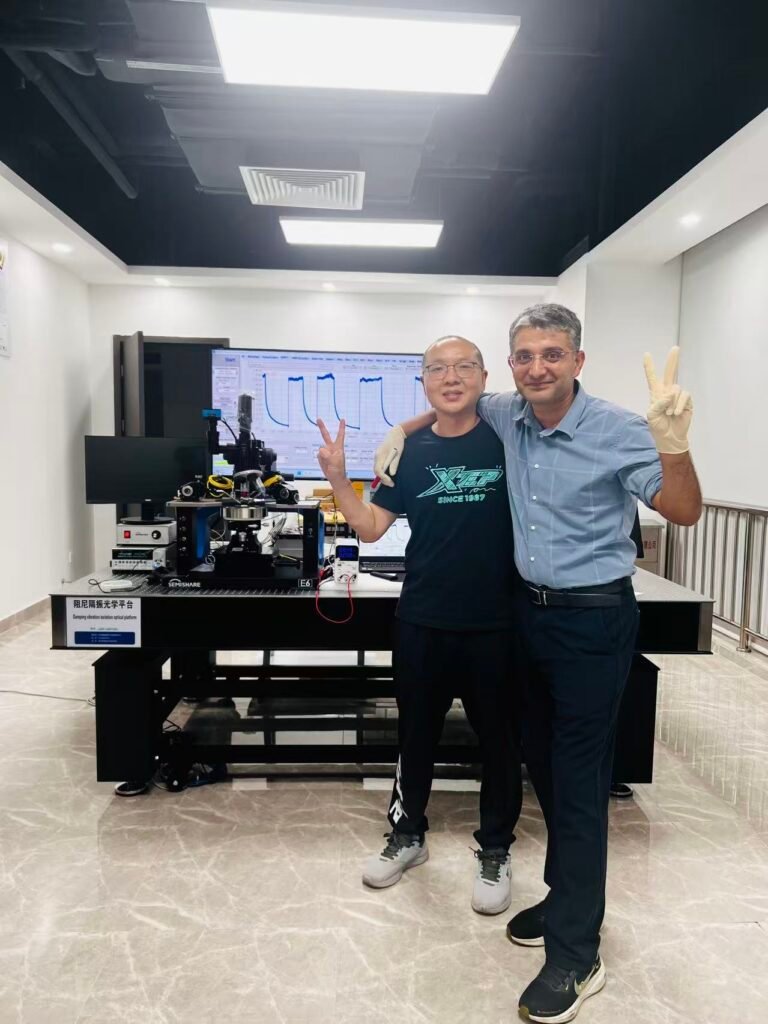
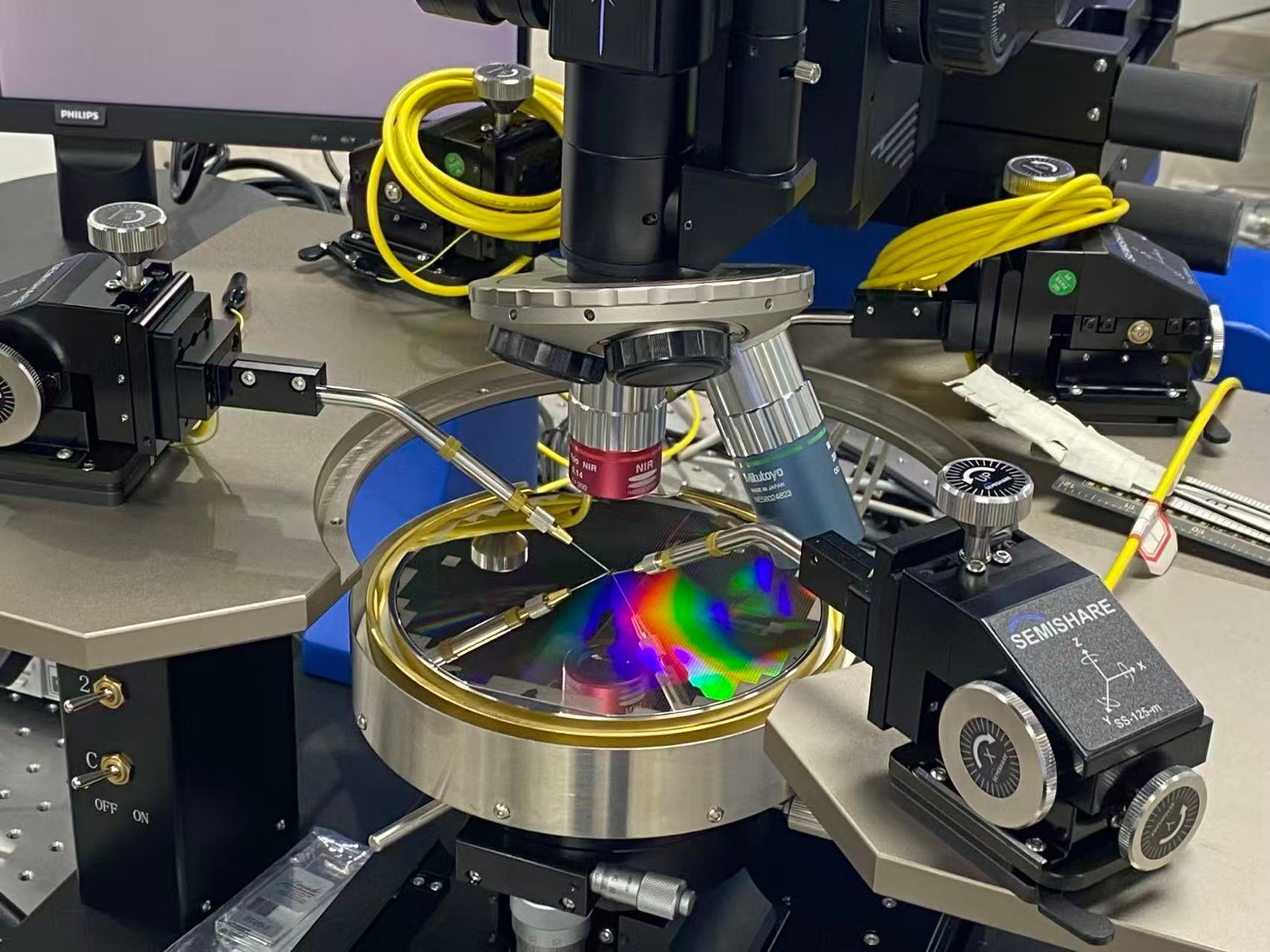
Dr. Ali Imran, currently serving as Director of Research and Development at the National Nanotech Innovation Center in Guangzhou, collaborated with a Chinese engineering team to develop a new hard-radiation sensing platform. The innovation focuses on deep-ultraviolet detection, a critical area for applications in complex and high-risk environments.
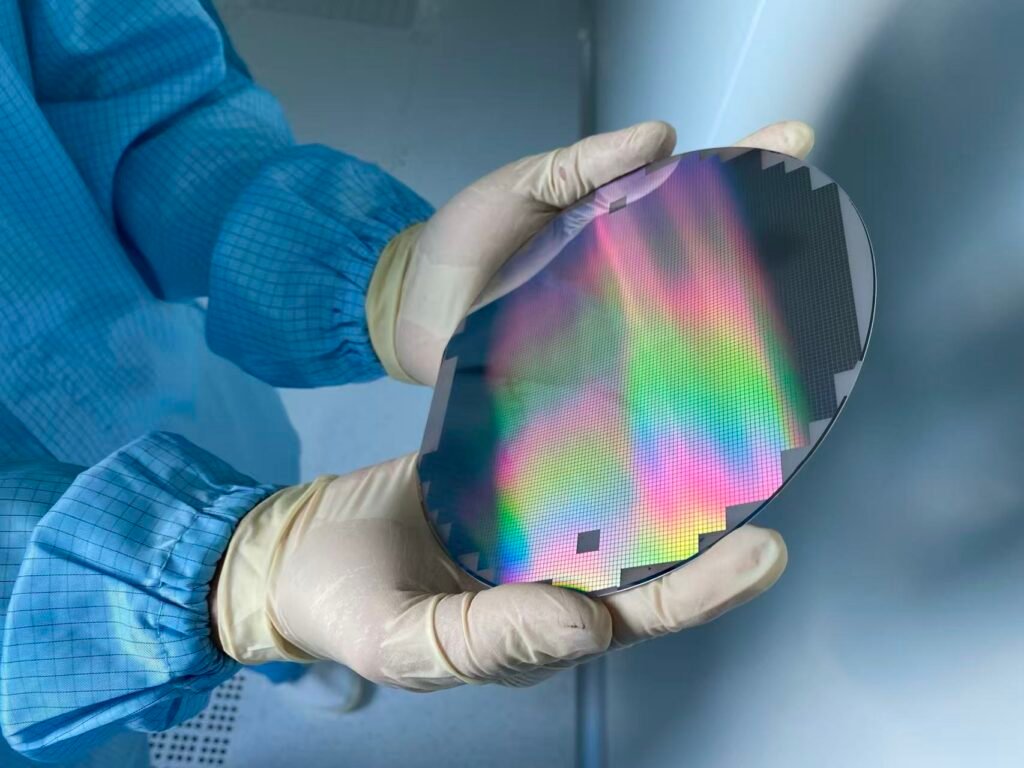
The research team explored previously overlooked photoelectric properties of piezoelectric materials, traditionally used in vibration-based applications and successfully transformed them into a novel sensing technology. This approach opens new possibilities for the industrial use of such materials in optoelectronic devices.
The newly developed platform is designed to operate in challenging conditions and has potential applications across multiple sectors, including industrial systems, environmental monitoring, space technology, medical solutions, and defense.
Dr. Ali Imran in a statement said that a key feature of the development is its cost-effective and scalable fabrication process, which enables large-scale industrial production. According to estimates, the technology could reduce production costs by up to 80 percent compared to imported deep-ultraviolet detectors, while also lowering reliance on foreign components.
Dr. Imran received his academic training from leading Chinese institutions, including Peking University, Beijing Institute of Technology, and Zhejiang University. He is widely recognized for his work in semiconductor materials and optoelectronic applications, particularly in bridging the gap between laboratory research and industrial-scale implementation.
The National Nanotech Innovation Center, established under China’s National Development and Reform Commission, aims to accelerate the commercialization of scientific research. Dr. Imran’s work aligns closely with this mission, contributing to China’s broader efforts toward technological self-reliance.
Beyond his technical role, Dr. Imran is also engaged in initiatives promoting China-Pakistan friendship and cultural exchange. He has further contributed to planning and development efforts in Guangzhou aimed at creating globally oriented urban spaces to attract international talent.
The achievement is being seen as an encouraging example of how international collaboration can drive scientific innovation and deliver practical solutions. It also serves as inspiration for young researchers, particularly from Pakistan, to participate in global scientific advancements and translate research into impactful technologies.